



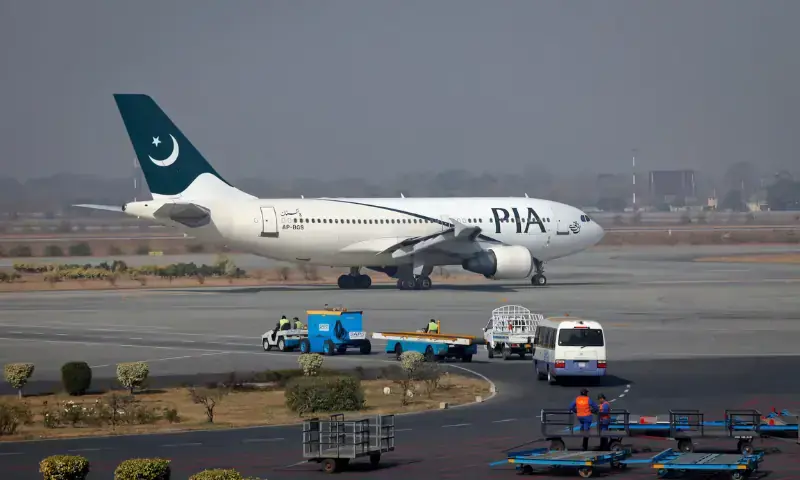
PIA, Privatisation, and the Limits of Market Solutions.
I try to stay away from current affairs. Not out of indifference, but an awareness of my own limited capacity to fully understand them. These issues are complex, facts evolve, and certainty often arrives long after opinions have hardened. So I usually have more questions than answers!
A recent discussion over lunch with old school friends, however, made me write this.
There was optimism and genuine relief around the government’s decision to privatise Pakistan International Airlines. A feeling that something broken had finally been addressed.
I understand that sentiment, especially coming from thoughtful and well-informed people. Still, I found myself wondering whether our relief sometimes comes too easily.
When we talk about privatisation as a solution, what exactly are we trying to fix?
Pakistan has been here before. Bank privatisations brought discipline, profitability, and better governance. Shareholders benefited, and institutions became leaner and more professional.
But in becoming better businesses, they also became more selective. Developmental goals, financial inclusion, and small borrowers slowly moved to the margins. Efficiency improved but the social contract quietly thinned.
Utilities tell a more uncomfortable story. Operations improved, systems tightened, organisations changed. Yet costs rose for consumers, disputes became routine, choice remained an illusion and shareholders struggled to make returns.
A public monopoly, when privatised without strong regulation, does not become competitive. It simply changes hands.
Perhaps the clearest lessons lie in sectors we no longer even debate. Health and education have largely been private for decades. Quality exists which is sometimes world-class, but access follows income, not need. Outcomes mirror privilege. The market delivers exactly what it is designed to deliver.
None of this makes privatisation wrong. It makes the objective incomplete.
So with PIA, the question may not be whether a private owner can run a better airline. They probably can and the government may save a few billion. But if this is about wasteful public spending, is PIA really the biggest culprit?
Once profit becomes the primary compass, what happens to public obligations such as remote routes, affordability, and the meaning of a “national carrier”?
Privatisation is not a moral achievement. It is a policy choice. A redistribution of risk, responsibility, and reward.
If we do not ask questions about who benefits, who pays, and what we quietly give up along the way, we may find ourselves applauding efficiency while losing something harder to measure but far more important!
Worth thinking about 🤔


Recent News

Winning the Argument, Losing the Respect:
19th April 2025
Why So Many People Feel Stuck
16th January 2026