



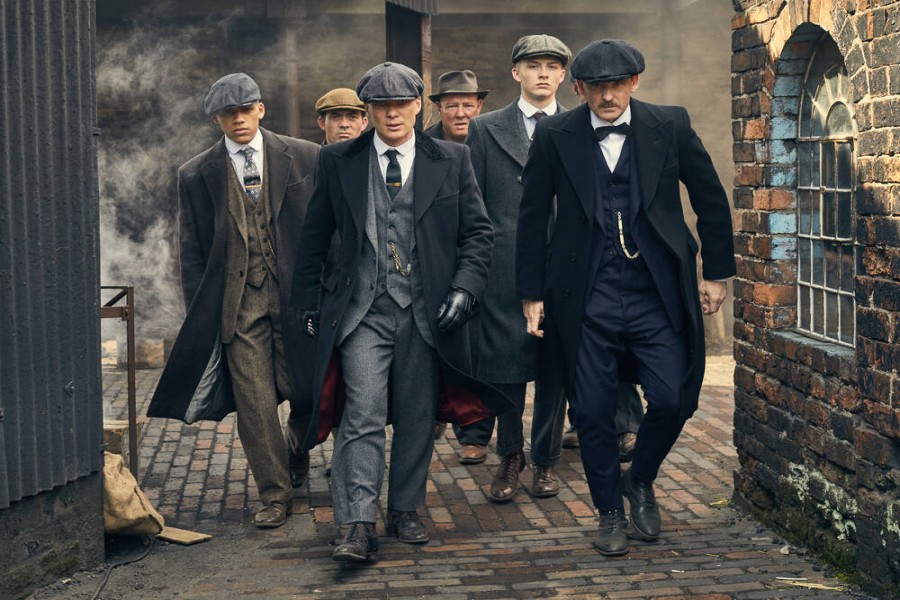
Recently I watched the film continuation of Peaky Blinders on Netflix. It took me back to when I first watched The Godfather years ago, and later Scarface and The Sopranos.
This time, what struck me was not the violence or the drama. It was something much deeper. At their core, these stories are about respect, legacy, and building something that endures.
There is a pattern behind gangster stories that maps surprisingly well to how enduring businesses are built. Most great gangster narratives, from The Godfather to The Sopranos and Peaky Blinders are not really about crime. They are about how power is constructed and sustained over time.
And interestingly, their journeys tend to follow three stages that look remarkably similar to how businesses grow.
In the first stage, the protagonist is simply trying to survive in a hostile environment. For example, Tony Soprano is constantly dealing with threats from rivals, law enforcement, and even internal dissent. Similarly, Tommy Shelby begins as a small operator navigating dangerous territory.
This stage is very similar to early-stage entrepreneurship. Founders are focused on cash flow, survival, and defending their small foothold in the market. At this stage, respect is fragile and still being earned.
Once survival is secured, the next objective becomes control of the system. Characters like Vito Corleone build networks of alliances, influence politicians, and establish rules within their territory.
But this control ultimately rests mainly on their reputation. People comply not only because of fear or incentives, but because they recognize authority and standing.
Businesses go through a similar phase. Companies begin building distribution power, brand recognition, supplier relationships, and market influence. Respect starts to accumulate. The company’s name begins to carry weight.
The final stage is no longer about money. It is about continuity and legacy.
This is where Michael Corleone becomes obsessed with legitimizing the family and ensuring that the institution survives beyond him.
Good businesses eventually reach the same stage. The focus shifts from just money making to institution-building and governance, succession and long-term durability become important. At this point, the question changes to ‘Will this institution command respect even after its founders are gone?’
That, perhaps, is why stories like The Godfather and Peaky Blinders continue to resonate. Beneath the crime and drama lies something very familiar to anyone who has tried to build an organization. The desire not just to succeed.
But to build something that is respected enough to endure.


Recent News

Winning the Argument, Losing the Respect:
19th April 2025
Why So Many People Feel Stuck
16th January 2026