



I like to jog. Every alternate day I put on my joggers and go out on the streets around my house for a slow 30-minute run. It’s a simple routine, but it gives me time to get some fresh air and observe my neighborhood.
Recently many of these streets have been under repair, so my usual routes have been disrupted. When the work started, I found myself hoping that the upgraded roads might include proper footpaths (or sidewalks as they are called in American English), safe spaces where people could walk or jog without constantly worrying about traffic.
That thought led me to a simple question. Do we actually have footpaths on most roads in our city or in our country?
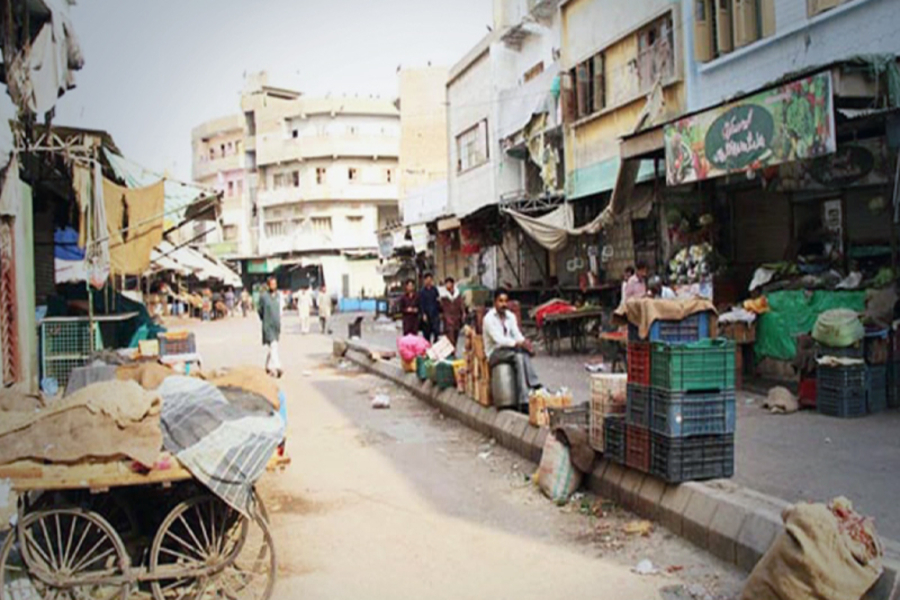
From what I have observed, the answer seems to be no. Very few roads have proper footpaths, and even where they exist, they are often broken, encroached upon, or unusable.
Why is that?
Part of the answer may lie in how we think about mobility. In many of our cities, mobility has become synonymous with cars. Roads are designed to move vehicles efficiently. Pedestrians, whether they are walking by necessity or jogging by choice, are treated as secondary users of the street.
Urban planners increasingly argue that this is a mistake. Cities around the world are rediscovering the importance of walkability. Safe footpaths, pedestrian crossings, and people-friendly streets improve public health, reduce congestion, lower pollution, and make neighbourhoods more vibrant.
In short, cities function better when they are designed not just for vehicles, but for people! Seen in that light, footpaths are not just small pieces of infrastructure. They reveal what a city values.
Karl Marx wrote about the way the assumptions of the dominant system gradually become accepted as common sense by everyone else. In capitalist societies, infrastructure often reflects the priorities of economic movement.
What merely allows people to live well, like safe public spaces to walk or jog, become an afterthought.
Perhaps the absence of footpaths in so many of our streets is a small but telling example of this logic. It reminds us that the design of a city is never neutral. It expresses whose mobility matters most, and whose presence on the road is simply accommodated only if space happens to remain.


Recent News

Winning the Argument, Losing the Respect:
19th April 2025
Why So Many People Feel Stuck
16th January 2026