



I grew up playing cricket on the streets with my immediate neighbours and children from a few streets around us. Today, when I go for a jog in my neighbourhood, I still see cricket being played on the streets. But it is almost always the household help; the drivers, guards, cooks and domestic staff, who are playing.
The children from the surrounding homes are rarely there. That makes me wonder what has changed.
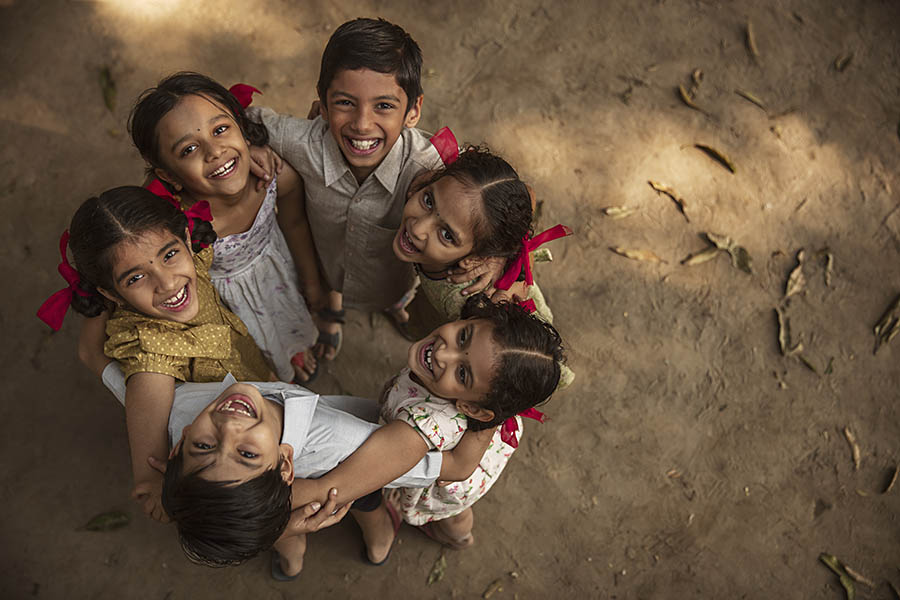
Our common spaces once included neighbourhood streets, playgrounds, parks and open grounds. They weren’t just places to play cricket. They were where children learnt to negotiate rules, resolve disagreements, make friends and develop a sense of belonging to a neighbourhood.
Different societies have developed their own versions of such spaces. The British have traditionally had their neighbourhood pubs. Italians have their piazzas. Across Europe, cafés and town squares provide places where people meet without necessarily arranging to meet. We have had our chai dhabas, bazaars, neighbourhood parks and street corners.
Sociologists sometimes call these “third places” places that are neither home nor work, but where community happens.
What concerns me is that, particularly among Pakistan’s more affluent urban communities, many of these spaces seem to be disappearing from our lives. We increasingly move from one controlled private space to another; home to car, car to office, office to club or gym, perhaps to a restaurant or mall, and back home.
Each of these choices makes sense individually, particularly in a city like Karachi where security is a genuine concern. But collectively, something may be getting lost.
We are surrounded by people, but increasingly encounter only people we have chosen to encounter. So where do we now meet people who are not like us?
Common spaces do more than provide recreation. They create repeated, unplanned encounters between people. They expose us to different lives and perspectives. And, over time, they help create the social trust on which communities and ultimately societies depend.
We spend enormous amounts improving the private spaces in which we live. Perhaps we should spend a little more thought on the spaces we need to share.


Recent News

Winning the Argument, Losing the Respect:
19th April 2025
Why So Many People Feel Stuck
16th January 2026